
Techniques in Pediatric Anterior Cruciate Ligament Reconstruction

This paper reviews pediatric anterior cruciate ligament reconstruction (ACLR) techniques, including combined extra- and intra-articular, all-epiphyseal, and transphyseal approaches, which are selected according to skeletal maturity to minimize the risk of growth plate injury.
Development and Validation of the Hospital for Special Surgery Anterior Cruciate Ligament Reconstruction Preoperative Expectations Survey

The Hospital for Special Surgery ACL-expectations score is a patient-derived, tested and reliable preoperative expectations measure with excellent psychometrics for active adults undergoing ACLR. We suggest future clinical studies in ACLR to incorporate this tool as a preoperative measure of patient expectations.
CORR Synthesis: Can Guided Growth for Angular Deformity Correction Be Applied to Management of Pediatric Patellofemoral Instability?
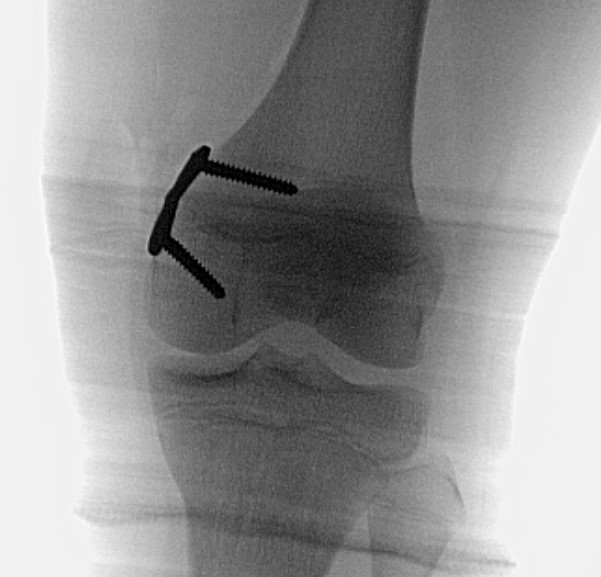
In children and teens, coronal plane angular deformity is well described, and plays a role in the pathogenesis of numerous intraarticular knee pathologies, including patellar instability. Unlike in adults, where osteotomy would be needed to achieve correction of angular deformity, coronal plane angular deformity correction in skeletally immature patients can be performed using less-invasive, implant-mediated […]
Development and validation of a pediatric sports activity rating scale: the Hospital for Special Surgery Pediatric Functional Activity Brief Scale (HSS Pedi-FABS)
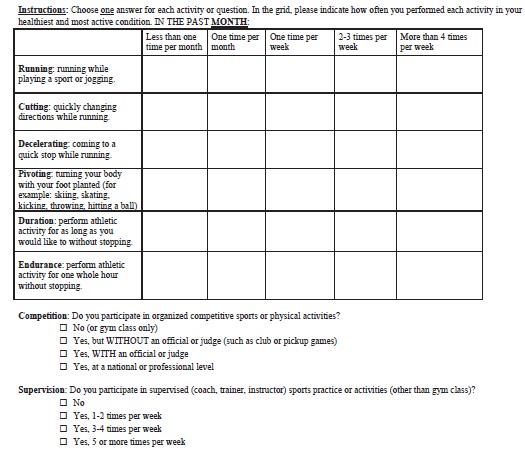
The 8-item HSS Pedi-FABS can be used to reliably and accurately evaluate activity level as a prognostic variable for clinical research studies. It is a simple, reliable, and valid metric to assess activity in children and adolescents 10 to 18 years of age. This instrument will lead to better evaluation of posttreatment outcomes and patient-reported […]